
About us
Crafting exceptional gin is our speciality
Still Billy is a small batch, craft gin distillery, located close to the Hartbeespoort Dam. Founded in 2018, we have developed into a top-class craft distillery specializing in gin. Our story began as a group of friends who played around with our own gin recipes, to developing our unique Still Billy flavour. Through hard work and dedication, we have refined our craft to produce the high-quality gin we have today.
At Still Billy Distillery we take great pride in our small batch production process. Each gin is handcrafted using only the finest locally sourced ingredients. Our unique blend of botanicals and use of traditional distillation methods results in a gin that is truly one-of-a-kind.
Our passion for gin runs deep, and we strive to create a product that not only tastes great but also tells a story. From the juniper berries to the herbs and spices, every bottle of Still Billy gin is a celebration of the land and people of South Africa. We believe that the quality of our gin speaks for itself.
We are proud to be a part of the growing craft distillery movement in South Africa. We invite you to taste the fruits of our labour. We are sure you will enjoy and appreciate the care and attention that goes into every bottle of Still Billy gin.
Gin Making
Gin is traditionally made by adding botanicals such as juniper berries, herbs and spices to a neutral base spirit, which is then distilled to create a flavourful, clear gin. The recipe for making gin can vary widely, making it both a science and an art. It requires skill and knowledge to create high-quality gins.
Fermentation and Distillation
At Still Billy Distillery, fermentation and distillation are both critical steps in producing
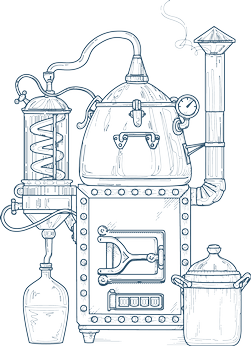
high-quality spirits. During fermentation, yeast is added to a mixture of grains and water, which creates a wash containing alcohol and carbon dioxide. This process takes several days and results in a liquid ready for distillation. Distillation involves heating the wash in pot stills, which use a combination of heat and cooling to separate the alcohol from the water and other impurities. The wash is heated in the pot, and the vapor rises to the top, where it is cooled and condensed back into a liquid. This process is repeated multiple times to create a higher proof spirit. The quality of the wash, as well as the skill and attention of the distiller, are crucial to producing premium spirits with distinct flavor profiles.
Ingredients
The key ingredient in gin production is juniper berries, which give gin its distinctive flavour and aroma. In addition to juniper berries, gin can also include a variety of other botanicals such as citrus peels, cassia bark, angelica root, spices and other.
Flavour
Botanicals are chosen for their unique flavour profiles and are added to the gin during the distilling process to infuse the spirit with their aromas and tastes. The precise combination and quantities of botanicals used can vary, allowing distillers to create a wide range of gin flavours, from traditional London Dry gin to more modern, experimental varieties. The selection and quality of botanicals used in gin production are critical to achieving the desired flavours, and many distillers take great care in sourcing the finest ingredients from around the world to craft their unique spirits.
Distilling Kettles and Gin
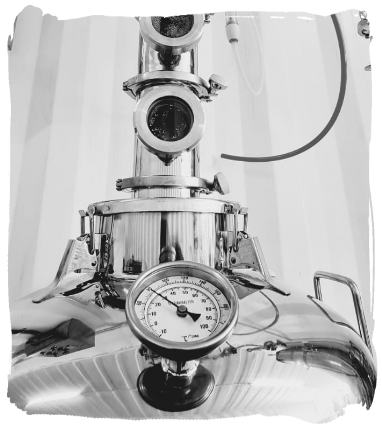
Modern distilling kettles use copper plates and gin baskets to improve the quality and complexity of the spirits produced. Copper plates distribute heat evenly, react with compounds to enhance aroma and flavour, and remove unwanted sulphur compounds. Gin baskets allow the vapor to pass through the botanicals, adding unique flavours and aromas to the final product. This combination of technology has revolutionized the production of high-quality spirits, allowing for greater creativity and experimentation in the distillation process.